Nutritional Guidance
Why Strength Training Changes More Than Your Body
For many women, fitness starts with the goal of losing weight. But strength training offers so much more than a smaller clothing size. Building muscle can improve posture, increase energy levels, support hormone balance, and help create a stronger, more confident version of yourself.
You do not need to spend hours in the gym to see results. Consistency matters more than perfection. Three to four workouts per week, combined with proper nutrition and recovery, can make a huge difference over time.
Focus on progressive training, enough protein, and quality sleep. Real transformation happens when healthy habits become part of your lifestyle, not a temporary challenge.
Protein for Women
Many women still underestimate how important protein is for their health and fitness goals. Protein is not only for bodybuilders, it helps support muscle recovery, keeps you fuller for longer, and can even help reduce cravings throughout the day.
Good protein sources include:
- Chicken and turkey
- Eggs
- Greek yogurt
- Fish
- Tofu and legumes
- Protein shakes
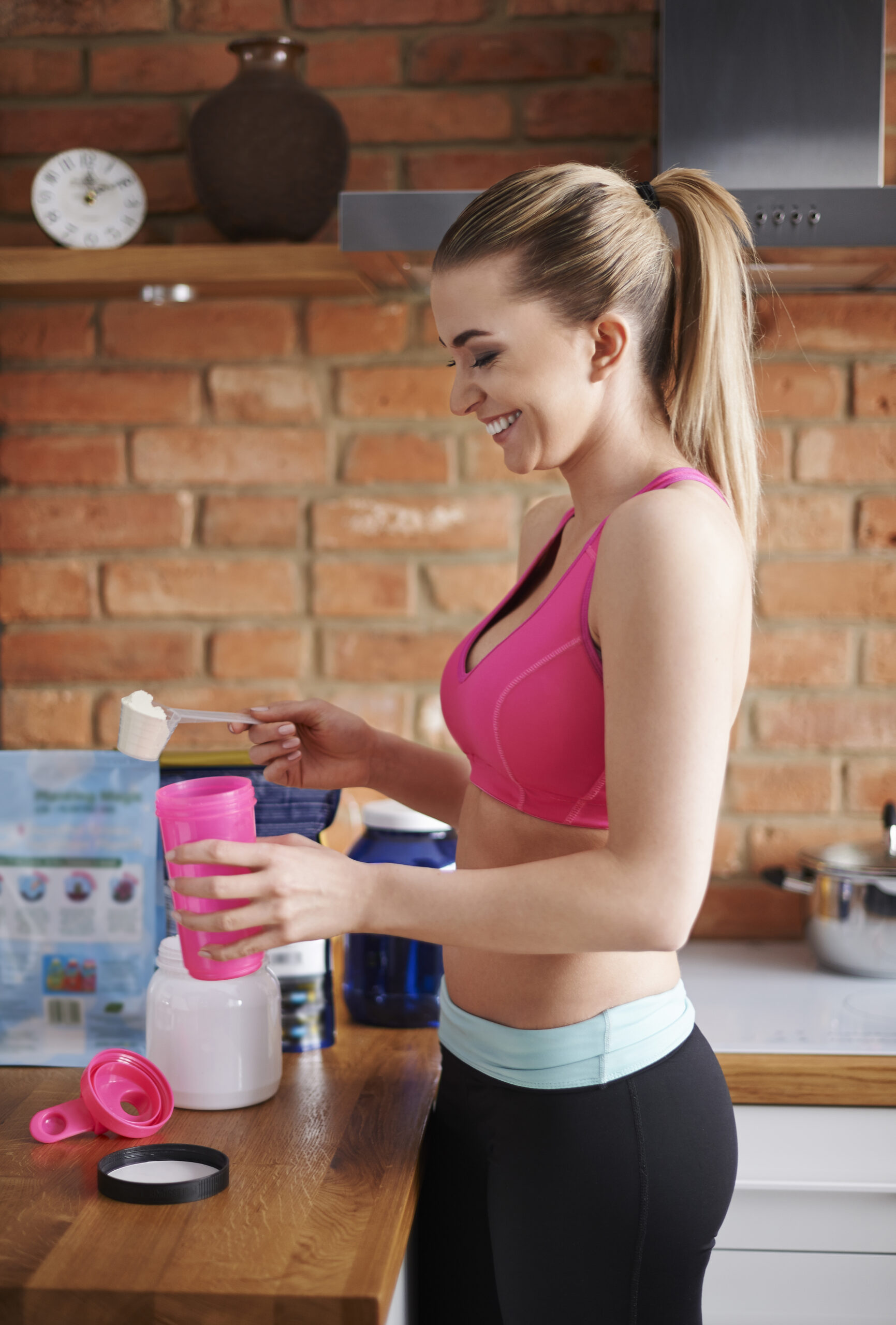
A simple protein shake after a workout can be an easy way to support recovery, especially on busy days. Whey protein is popular because it absorbs quickly, while plant-based protein is a great option for women who avoid dairy.
Aim to include protein in every meal instead of eating most of it only at dinner.
Supplements Every Active Woman Should Know About
Supplements are not magic, but the right ones can support your fitness journey and overall wellness.
Creatine
Creatine is one of the most researched supplements in fitness. It can help improve strength, workout performance, and muscle recovery. Many women avoid it because of myths about “bulking up,” but in reality, creatine simply helps your muscles perform better.
Magnesium
Magnesium may help with sleep quality, muscle relaxation, and recovery. Women with active lifestyles often benefit from adding magnesium to their evening routine.
Omega-3
Omega-3 fatty acids support heart health, recovery, and overall wellness. They can also help reduce inflammation after intense training sessions.
Protein Powder
Protein powder helps support muscle recovery and makes it easier to reach your daily protein intake. It is especially useful after workouts or as a quick snack.
healthy snacks
Healthy Snacks That Keep You Full
Healthy snacks are not just about eating fewer calories, they are about giving your body the nutrients it needs to stay energized, satisfied, and balanced throughout the day. Many women struggle with cravings simply because their snacks are too low in protein or healthy fats.
The key to smart snacking is balance. A good snack usually contains: protein, fiber, healthy fats, natural carbohydrates. This combination helps you stay fuller for longer, maintain stable energy levels, and avoid overeating later in the day.
Here are a few smart snack ideas and why they work:

Greek yogurt with berries
Greek yogurt is high in protein, which helps keep you full longer and supports muscle recovery. Berries add fiber, antioxidants, and natural sweetness without a lot of sugar.
Rice cakes with peanut butter
Rice cakes provide quick energy, while peanut butter adds healthy fats and protein. This combination helps stabilize blood sugar levels and prevents energy crashes.
Apple slices with almonds
Apples contain fiber and water, making them very filling. Almonds add healthy fats, protein, and important minerals like magnesium and vitamin E.
Protein smoothie with banana
A smoothie is perfect for busy days or after workouts. Banana gives fast energy and potassium, while protein powder helps support muscle repair and recovery.
Cottage cheese with cucumber
Cottage cheese is rich in protein and low in calories. Cucumber adds freshness, hydration, and volume, making this a light but satisfying snack.
Dark chocolate with nuts
Healthy eating should still include foods you enjoy. A small portion of dark chocolate combined with nuts can satisfy sweet cravings while also providing healthy fats and antioxidants.
How Much Protein, Carbs, and Fat Do Women Actually Need?
Understanding how much of each macronutrient your body needs can make a big difference in your energy levels, fitness results, and overall well-being. While exact needs vary depending on age, activity level, and goals, there are general guidelines that work well for most active women.
Protein
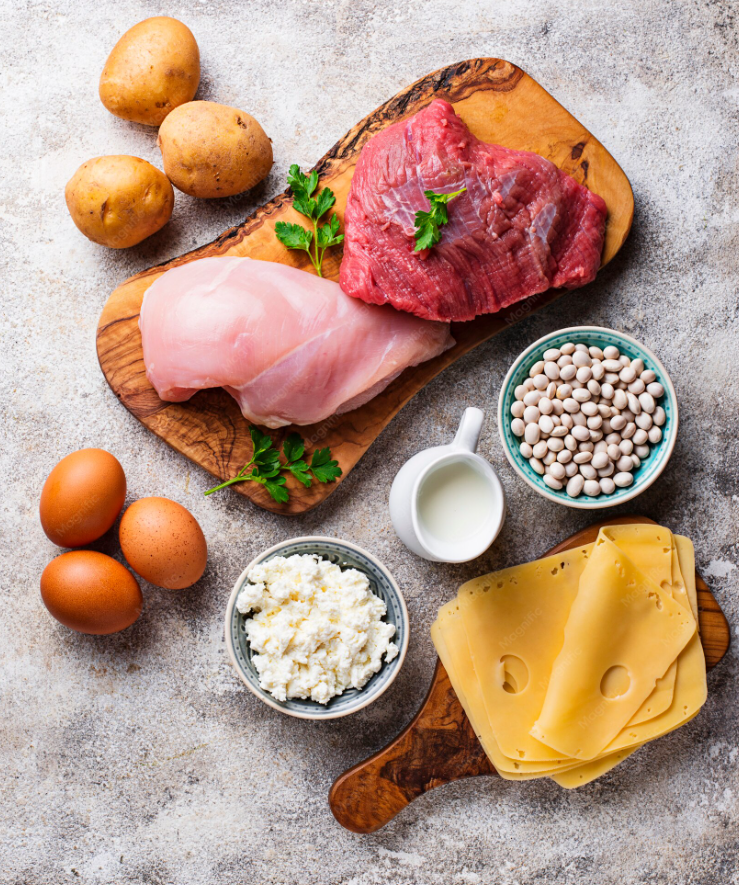
Protein is essential for muscle repair, recovery, and maintaining a healthy metabolism.
General guideline:
- Sedentary women: 0.8–1.0 g per kg of body weight
- Active women / strength training: 1.2–2.0 g per kg of body weight
For example, a woman weighing 60 kg may need:
- 48–120 g of protein per day, depending on activity level
Good to know: spreading protein evenly across meals (instead of all at dinner) improves muscle recovery and satiety.
Carbohydrates
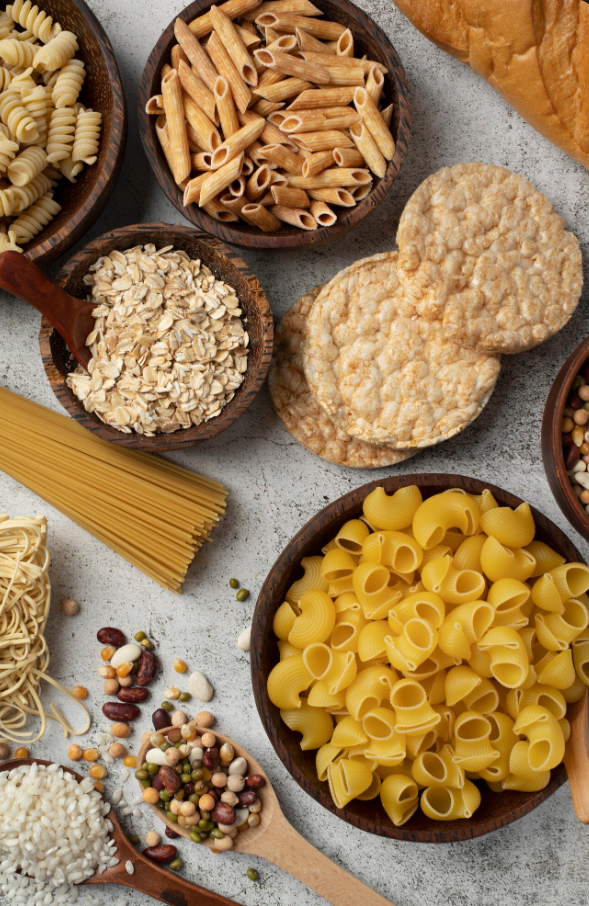
Carbohydrates are your body’s main energy source, especially important for training performance and daily activity.
General guideline:
- Light activity: 3–4 g per kg of body weight
- Moderate to high activity: 4–6 g per kg of body weight
For a 60 kg woman, that means:
- 180–360 g of carbohydrates per day
Focus on quality carbs like oats, rice, potatoes, fruit, and whole grains to maintain steady energy levels.
Fats
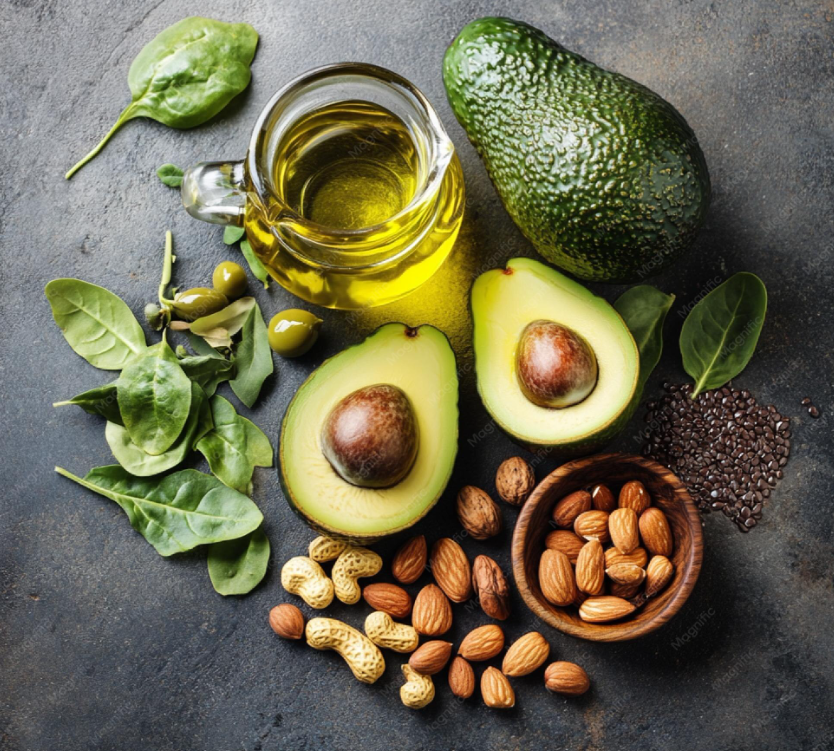
Healthy fats are essential for hormone balance, brain health, and long-term energy.
General guideline:
- 0.8–1.0 g per kg of body weight
or - Around 20–35% of total daily calories
For a 60 kg woman, this is roughly:
- 48–60 g of fat per day
Good sources include avocado, olive oil, nuts, seeds, and fatty fish.